Packing for Everest Luxury Trek
Need help packing for the Everest Base Camp Luxury Trek? Refer to the detailed Everest Trek packing checklist recommended by our trekking guides.
Food & Dining Experience on a Luxury Everest Trek

On our Luxury Everest Base Camp Trek, the food and dining experience is designed to keep trekkers well-nourished, safe, and comfortable throughout the journey.
Hygiene standards are significantly better than standard teahouses, with cleaner kitchens, safer food handling, and table service that minimizes cross-contamination.
Meals are freshly prepared, hygienic, and tailored for high-altitude nutrition, with hearty breakfasts featuring items like eggs, porridge, pancakes, fruit, and warm beverages to set the pace for the day.
Lunches are hot, filling, and typically served at comfortable lodges along the trail, offering soups, rice or noodle dishes, stews, and light mains that are easy to digest while trekking.
Dinners are multi-course and restorative, usually starting with a warm soup followed by a balanced main meal—often a mix of Nepali staples like dal bhat alongside pasta, curries, or grilled proteins—with desserts provided depending on the lodge.
Luxury accommodations in this trek also excel in handling special dietary needs; vegan, gluten-free, vegetarian, and high-protein diets are readily supported through advance coordination. Our guides and lodge kitchens prepare appropriate alternatives and ensure you get enough calories.
Here’s a sample meal plan:
Breakfast: Oatmeal, Corn Flakes, Porridge, Eggs, Pancakes, various kinds of bread, Toast with Jam, Butter, Cheese, Honey, Tibetan bread or Chapati, fruits, Hot beverages(tea, coffee, milk, etc.)
Lunch: Nepalese Dal Bhat, Soups, Tibetan Bread, Sherpa Stew, Steaks, Thukpa, Pasta and Macaroni, Sandwiches, Momo (dumplings), Tenduk Noodles, Potato Items, Desserts
Dinner: Nepalese Dal Bhat, Soups, Tibetan Bread, Thukpa, Tenduk Noodles, Pasta and Macaroni, Salads, Potato Items, Desserts
Best Time to Do the Everest Base Camp Luxury Trek (Monthwise)
Spring and autumn (fall) are the best seasons to do the Everest Base Camp comfort lodge trek in Nepal. Spring coincides with March to May in Nepal. Meanwhile, autumn falls in September till November. You can still trek till mid-December if the weather permits.
Nonetheless, every month offers its own distinct advantages—from quieter winter trails to vibrant spring landscapes—as long as you’re properly equipped and prepared for the conditions.
Here’s a month-by-month breakdown of weather conditions, views, advantages, and challenges of trekking to Everest Base Camp.
January — Deep Winter, Coldest Month
January is the harshest period in the Everest region, with Lukla days around 5–7°C but rapidly dropping as you gain altitude. At EBC, daytime temperatures typically sit around –8°C to –12°C, while nights can fall to –18°C to –25°C.
Clear skies are common, producing sharp, uninterrupted mountain views, but snowfall at higher altitudes can temporarily close trails. The route is extremely quiet, tea houses rarely fill up, and many offer rooms cheaply (or free if you dine there).
Trekking to EBC in January requires winter experience and proper gear—down jacket, thermal layers, warm gloves, and a -20°C sleeping bag.
February — End of Winter, Still Harsh but Improving
February remains frigid, though slightly more forgiving than January. Lower regions reach 7–9°C during the day, while EBC sees daytime temps around –6°C to –10°C and nights around –15°C to –20°C.
Snow is still common, especially early in the month. Trails are peaceful, visibility remains excellent, and late February brings the first signs of melt, with occasional early buds at lower elevations. You still need proper winter equipment due to icy, slippery trails.
March — Start of Spring, Clear Skies, Cold Nights
March marks the shift from winter to spring. The lower valley warms substantially, but EBC daytime temperatures generally remain between –3°C and –7°C, with nights around –12°C to –15°C.
Skies are mostly clear, making this one of the best months for visibility without the heavy crowds of April. Snow patches linger at high altitudes, but trails gradually become easier. Early blooms start appearing below Namche.
April — Peak Spring, Stable and Comfortable
April brings the most stable spring weather. EBC daytime temps range from –2°C to –5°C, and night temps fall to –10°C or –12°C.
The weather is dry, clear, and ideal for trekking. Rhododendron forests hit their peak bloom between Tengboche and Deboche, and expeditions begin climbing toward Everest, creating a lively atmosphere.
Temperatures vary, but rarely drop to winter extremes. Occasional snowfall is possible but not common.
May — Warmest Spring Month Before Monsoon
May is warmer, especially at lower altitudes. However, EBC remains cold, with daytime temperatures ranging from 0°C to –3°C and nighttime temperatures from –8°C to –10°C.
Morning skies are usually clear, but afternoon clouds begin to form as the monsoon season nears. The trail is moderately busy, but not as packed as it was in April.
Wildflowers continue blooming, and snow melts significantly at mid-altitudes. Late May brings increased humidity and occasional brief rain showers.
June — Start of the Monsoon, Warm but Wet
June introduces moisture and clouds. Temperatures are milder across the valley, but EBC typically ranges from +2°C to –2°C during the day and about –5°C to –8°C at night.
Early June still offers decent visibility, but the latter half brings rain, fog, and reduced flight reliability. Trails become muddy and slippery, especially below Namche. Still, landscapes turn lush and vivid, and crowd levels drop drastically.
July — Peak Monsoon, Cloudiest and Quietest
July is the wettest month in the Everest region. EBC temperatures remain similar to June — around +2°C to –1°C during the day and –5°C to –7°C at night.
Heavy rainfall affects lower elevations, though EBC receives more snow and drizzle than true downpours.
Visibility is poor, flights face frequent delays, and trails are muddy with possible landslides in the lower valley. However, it’s undoubtedly the quietest month of the year.
August — Tail End of Monsoon, Conditions Gradually Improving
August remains wet but begins stabilizing mid-month. Temperatures stay relatively mild for high altitude: EBC around +1°C to –1°C during the day, and –6°C to –8°C at night.
Vegetation is lush, the air is clean, and occasional clear days offer surprisingly dramatic views after storms. Risks include wet, slippery trails.
By late August, clouds lift more frequently, and rainfall tapers off, marking the transition toward autumn.
September — Early Autumn, Clear and Fresh
September officially starts the trekking peak season. Temperatures at EBC range from 0°C to –4°C during the day and –5°C to –8°C at night—cool but manageable.
Early September may still see occasional rain, but conditions stabilize rapidly. Monsoon-cleansed air produces exceptional clarity, giving some of the sharpest mountain views of the year.
Trails get busier from mid-month onward. Lush landscapes and blooming late-summer flowers add color to the trek.
October — Peak Season, Best Overall Weather
October is the most popular month for the EBC trek. EBC daytime temperatures sit between –2°C and +5°C, and night temperatures drop to –8°C to –12°C.
Conditions are dry, skies clear, and visibility outstanding. The chance of precipitation is minimal, and flights operate more reliably compared to other seasons.
The only downside is crowd density. Still, if you book the trek with us, we will ensure your accommodation is booked early at a lodge that meets our luxury standards.
November — Cold, Clear, Early Winter
November brings colder temperatures but stable weather. EBC daytime temperatures range from –5°C to –8°C, with nights dipping to –12°C to –16°C.
Days remain bright with incredible mountain visibility. Crowds thin significantly after mid-month. Snowfall becomes more likely late in November, especially at higher altitudes, but trails remain navigable early in the month.
This is a prime choice for trekkers wanting crisp views without October crowds.
December — Deep Winter Returns
December re-enters winter conditions. At EBC, daytime temps hover around –5°C to –10°C, and nights fall to –15°C to –20°C.
Clear skies are typical, with spectacular views of the Himalayas, but intense cold adds difficulty. Snowfall becomes more frequent, tea houses may operate with limited facilities, and fewer trekkers are on the trail.
If you’re well-prepared and experienced to deal with the cold weather, we can still arrange the best luxury trek for you in December.
Trek Difficulty Level & Acclimatization Plan
Depending on your fitness level, the Everest helicopter luxury trek is a moderate to challenging trek in Nepal. Still, it is not a technical climb—there are no ropes, no ice axes, and no mountaineering skills required. The challenge comes from long walking days, high elevation, cold temperatures, and stamina over almost two weeks.
In short, you don’t need to be an athlete to complete this trek without issues. Anyone with decent cardiovascular endurance—people who walk, hike, or do regular physical activity—can complete this trek.
Still, you must be prepared for altitude, long days, and a multi-day commitment. With our well-designed itinerary, proper acclimatization plan, personalized care, and comfortable lodging, the difficulty becomes very manageable for most people, including beginners, seniors, and first-time trekkers.
It is natural for most trekkers to feel symptoms like shortness of breath, low appetite, or mild headaches above 4,000m. The trek reaches 5,364m at Base Camp, and 5,545m at Kala Patthar, so oxygen levels drop to about half of sea level. Even fit people feel it. While we set the right acclimatization days after significant altitude gain, you should always communicate freely with your guide about your symptoms and general health condition.
In this 13-day trip, there are a total of 10 hiking days (acclimatization hikes included). Expect 5–8 hours of walking per day, with three shorter acclimatization days. Trails are well-established but include long ascents, descents, and rocky sections.
Weatherwise, cold mornings and nights, especially above 4,000m, can drain your energy. In winter or early spring, temperatures drop to -10°C to -20°C at night. Our team will coordinate with you to ensure you pack the right gear and appropriate clothing depending on the season.
Safety & Support System
Our Everest Base Camp Luxury Trek is designed with an enhanced safety framework that goes far beyond standard trekking support. You’ll have 24/7 personalized guide assistance, led by highly experienced guides specially trained in altitude management, early symptom recognition, and emergency response.
We prioritize your well-being with daily health checks, continuous monitoring of oxygen saturation, and access to oximeters, first-aid kits, and supplemental oxygen—either carried by the guide or arranged at designated health points throughout the Khumbu region based on your specific needs.
What makes our luxury version superior is the proactive approach to safety. Our guides are trained in helicopter evacuation protocols, ensuring swift coordination in case of emergencies, and they follow structured Altitude Sickness Prevention Measures to keep you healthy and comfortable throughout the ascent.
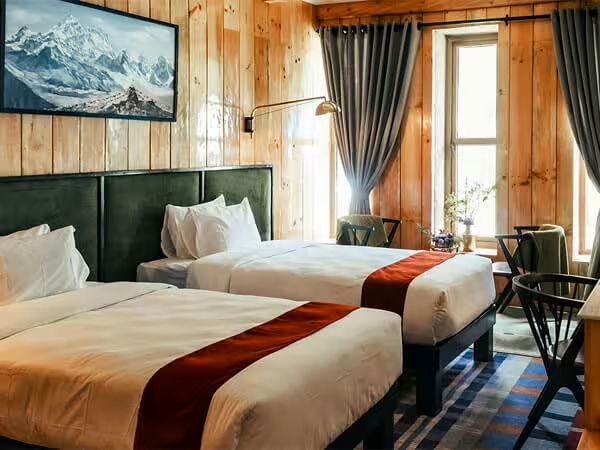
Combined with smoother logistics, better pacing, and higher-comfort lodges that allow deeper rest and recovery, this elevated safety system creates a trek that is not only more secure—but significantly more comfortable and confidence-inspiring for every traveler.
Permits Required for the Everest Base Camp Luxury Trek
Sublime Trails arranges the following permits for you that are needed for the Everest Base Camp deluxe package:
The Sagarmatha National Park Entry Permit is a compulsory permit for all trekkers entering Sagarmatha National Park, the UNESCO World Heritage Site that protects the Everest region’s towering peaks, alpine forests, rare wildlife, and deeply rooted Sherpa cultural heritage.
Park officials will check for this permit in Monjo before you enter the protected zone. The fee for foreign trekkers is NPR 3,000 per person (excluding VAT).
The revenue collected plays a vital role in conserving the region—supporting trail management, habitat protection, waste control programs, and ongoing efforts to preserve both the natural environment and the cultural integrity of the Khumbu. We’ve already included this permit fee in the total booking price.
The Khumbu Pasang Lhamu Rural Municipality Entrance Permit is a mandatory local permit introduced in 2018 after the Khumbu region gained authority to manage tourism directly. Its purpose is to ensure that a portion of trekking revenue stays within the Everest region, supporting trail maintenance, infrastructure upgrades, environmental protection, and community-led development initiatives for the Sherpa population.
The cost of this permit is NPR 2,000 per person, applicable to all foreign trekkers entering the region. Note that your booking with us already includes this permit cost.
To make it possible for us to obtain your necessary permits for this trek, you’ll need to present a few essential documents:
- A valid passport, along with a couple of photocopies
- 2–4 recent passport-sized photographs, for the permit forms
- Basic details, planned trekking route
- Emergency contact information
- Your travel insurance details
Visa Procedure for Luxury Everest Base Camp Trek
Nepal issues visas on Arrival for foreign nationals, which you can get after landing at Tribhuvan International Airport. However, you can also get your Visa from Nepalese Diplomatic Missions in your country if you wish to avoid the Visa queue during peak travel seasons.
You can get a Visa valid for either 15, 30, or 90 days, each costing $30, $50, and $125, respectively. Meanwhile, some countries have reciprocal Visa waiver agreements with Nepal, meaning nationals from these countries do not need to pay Visa fees (for specified periods).
To see if you’re from a country on this list, visit this information page from the Government of Nepal, Department of Immigration.
Booking Process, Next Steps, and Cancellation Policy
We only operate private trips of this luxury variant of the EBC Trek. Booking is available at any time of the year except stated otherwise. The price per trekker can fluctuate slightly depending on the size of your group, and you can choose any date to start the trek from Kathmandu.
If you do not find a suitable date from our available slots in the Departures section, you may also suggest a Preferred Departure Date, and we will arrange the trip for you accordingly.
Next Steps: You can reach out to our expert representative anytime—even before you book—to clarify details, customize your trip, or understand what to expect. Once you confirm your booking, the same representative will personally guide you through every step leading up to your arrival in Nepal, helping you plan your travel dates, prepare the right packing list, and even assisting with gear shopping in Kathmandu if needed.
Booking Deposit and Cancellation Policy: To confirm your booking, we require a deposit of 30% of the total trip cost. This amount allows us to arrange permits, logistics, and other important preparations for your trek.
We understand that travel plans may change, and we try to be as flexible as possible. However, a cancellation fee is necessary to cover our basic operational and trip planning costs. This fee is calculated as a percentage of your total trip cost and is deducted from your deposit.
Cancellation Fees
- Cancel 30+ days before departure: 5% of the trip cost
- Cancel 10–30 days before departure: 10% of the trip cost
- Cancel within 10 days of departure: 20% of the trip cost
If you need to cancel, please inform us as early as you can.
Rescheduling: We know that unexpected situations can affect your plans, even if you still wish to take the trip. To support our clients, we have removed all rescheduling fees. You may postpone or reschedule your trek at no extra cost, as long as the new departure date is within one year of your original booking.
Online Payment: You can securely make an online payment to our website using your credit card.
Last Minute Booking: Sublime Trails welcomes last-minute bookings for those who couldn’t make a booking earlier. A 100% payment is required to confirm your booking, after which we will proceed. Please check with us first, as we need to confirm the availability of guides and porters.
Related Trips in the Everest Region
Classic Everest Base Camp Trek | Sleeping at Everest Base Camp Trek | Everest Helicopter Tour | EBC Trek with Helicopter Return | Scenic Mount Everest Sightseeing Flight